Heating and cooling account for nearly half of the energy use in U.S. homes, according to the U.S. Department of Energy. Making smart HVAC choices can significantly cut down your energy bills, boost indoor comfort, and help the environment. Whether you’re upgrading an old system or fine-tuning your current setup, here are ten impactful ways to save energy—and money—on home climate control.
Use a Smart Thermostat
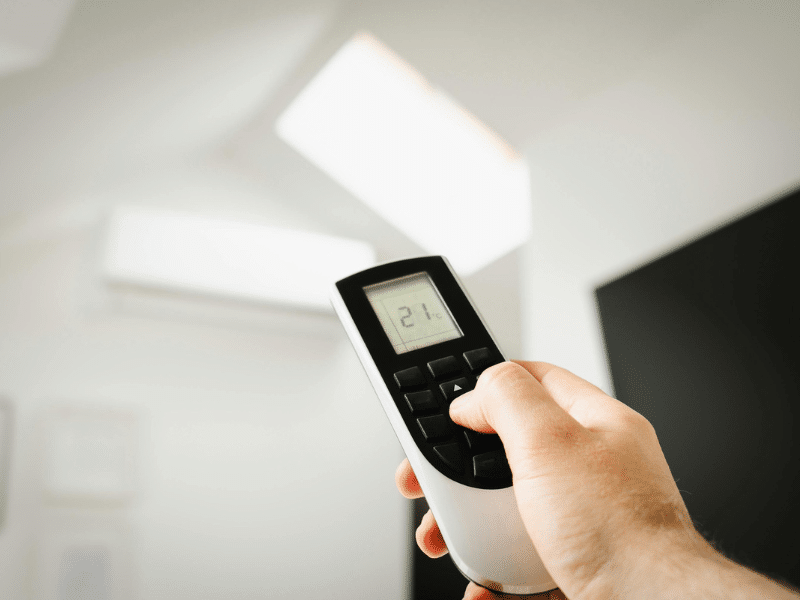
A smart thermostat is a cornerstone of an energy-efficient home. These Wi-Fi-enabled devices go far beyond manual or basic programmable thermostats. Smart thermostats learn your household’s patterns and preferences, automatically adjusting temperatures for optimal comfort when you’re home and energy savings when you’re away or asleep. Many models also provide detailed energy usage reports, helping you understand and optimize your consumption. Some can even adjust based on weather forecasts.
Upgrade to an Energy-Efficient HVAC System
If your HVAC system is over 10 to 15 years old, it might be time to consider an upgrade. Newer systems are significantly more energy-efficient, up to 30% more efficient than older models, resulting in substantial savings on your energy bills over time. When shopping for a replacement, look for ENERGY STAR®-certified units, air conditioners with a SEER (Seasonal Energy Efficiency Ratio) rating of 16 or higher, and furnaces with an AFUE (Annual Fuel Utilization Efficiency) rating of at least 90%. While the initial investment can be high, the long-term benefits in energy savings and improved performance make it a worthwhile decision
Don’t Neglect Your Ductwork
Leaky or poorly insulated ducts can sabotage even the most efficient HVAC system. The U.S. Department of Energy estimates that the typical home loses 20% to 30% of conditioned air through holes, leaks, and poor connections in the ductwork. Sealing these leaks ensures that heated or cooled air reaches its intended destination.
Insulating ducts, especially those in unconditioned spaces like attics, crawlspaces, or garages, prevents heat loss in winter and heat gain in summer as the air travels through them.
Inspect your ductwork for visible tears or poor connections. Consider professional duct sealing and insulation for hard-to-reach areas.
Use Zoning Systems
Using zoning systems in your home allows you to heat or cool different areas independently, making it especially beneficial for larger or multi-story homes. By dividing your home into zones, you can control the temperature in each area separately, which not only increases comfort but also reduces energy use in rooms that aren’t occupied.
Additionally, zoning helps lower the overall wear and tear on your HVAC system by minimizing unnecessary usage, ultimately extending its lifespan and improving efficiency.
Keep Up with HVAC Maintenance
A well-maintained HVAC system, smart or otherwise, runs more efficiently and lasts longer.
Clean Air Filters
Regularly replacing or cleaning air filters (monthly or as recommended) can lower your HVAC’s energy consumption by 5% to 15%. Dirty filters restrict airflow, making the system work harder.
Condenser Unit Care
Keep the outdoor condenser unit free of leaves, grass, and debris to ensure proper airflow.
Condensate Drain Line
Regularly check and clear the condensate drain line to prevent clogs, water damage, and reduced efficiency.
Professional Tune-Ups
Schedule annual (or bi-annual for heat pumps) professional maintenance. Technicians can spot and fix minor issues before they become costly problems, clean coils, check refrigerant levels, and ensure all components are operating efficiently.
Don’t let a neglected system inflate your energy bills. Ensure optimal heating and cooling with our professional maintenance. Get in touch with our team to schedule a visit.